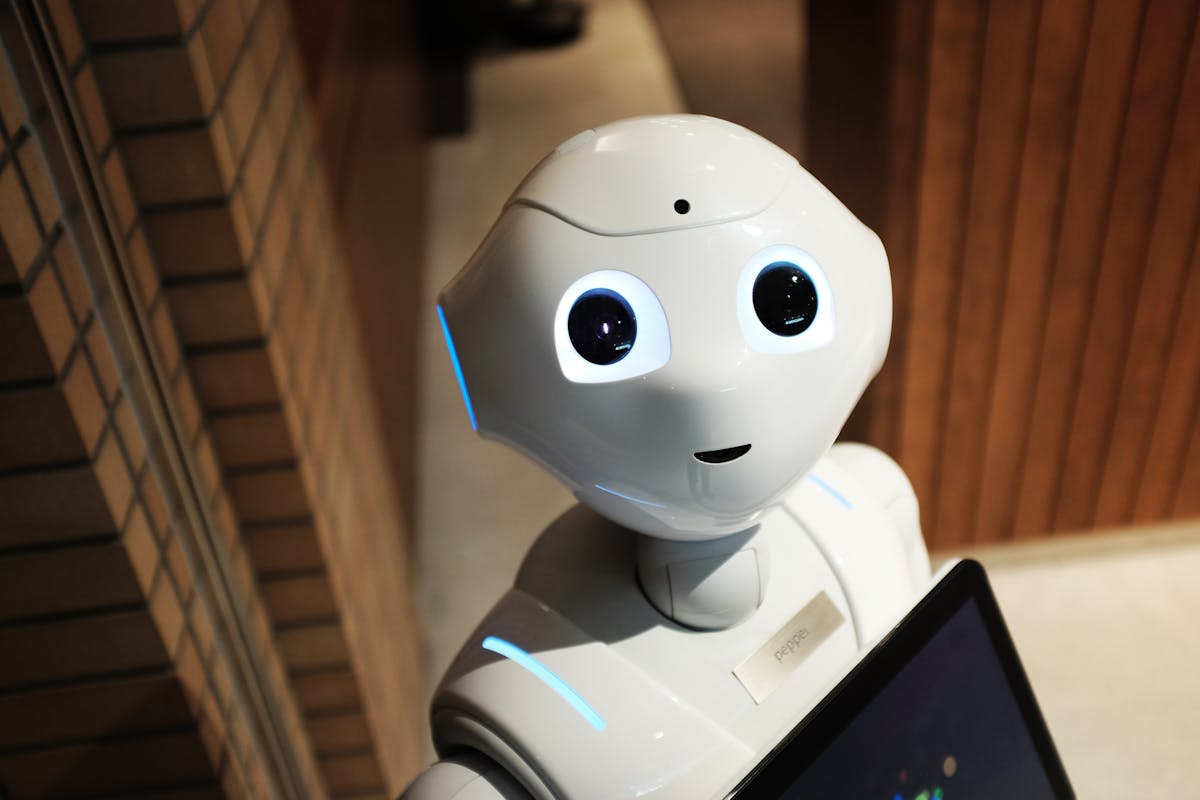
Exploring AI Girlfriend Apps: A Growing Trend
In recent years, AI girlfriend apps have risen in popularity, offering users virtual companionship through advanced conversational AI. These apps simulate romantic relationships, providing a unique blend of entertainment and emotional connection. As the demand for personalized digital experiences grows, AI girlfriend apps have become a significant trend, particularly among tech enthusiasts and single adults.
The concept of AI companions isn't entirely new, but the sophistication of these apps has significantly improved. They use machine learning and natural language processing to create lifelike interactions that can adapt to the user's preferences and moods. According to a report from Gartner, the market for AI companions is expected to reach new heights, driven by technological advancements and shifting social dynamics.
Benefits and Features of AI Girlfriend Apps
AI girlfriend apps offer a variety of features that make them appealing to users. These apps can engage in meaningful conversation, learn from interactions, and even remember personal details to enhance the user experience. They can serve as a source of comfort, entertainment, and, for some, a way to practice social skills in a low-pressure environment.
One user shared, "Having an AI companion helps me feel less lonely, especially during times when I can't connect with friends or family." This sentiment underscores the emotional value these apps can provide.

However, these apps are not without their challenges. Privacy concerns and ethical considerations are critical factors that developers must address. As noted in a study by TechCrunch, ensuring data security and creating ethical guidelines for AI interactions are essential for long-term success.
Market Trends and Implications for the Future
The AI companion market is on a steady growth trajectory. According to data from Statista, the market size for AI companions is projected to reach $4.2 billion by 2025. This growth is fueled by increasing consumer interest in personalized and interactive digital experiences.
As AI technology continues to evolve, we can expect these apps to integrate more advanced features, such as emotional recognition and enhanced personalization. These innovations could redefine how we perceive and interact with technology, blurring the lines between digital and human relationships.